Area - Location
Discover Oropos and Nea Palatia
A few words about Oropos and Nea Palatia
Nea Palatia, Oropos
Nea Palatia, Oropos is one of the most privileged and peaceful residential areas in Northeastern Attica, perfectly combining the tranquility of nature with being right next to the sea. The area offers an exceptional quality of life, with all necessary amenities, shops, cafes, and restaurants just a breath away, making it ideal for both a holiday home and permanent living in a green and welcoming environment.
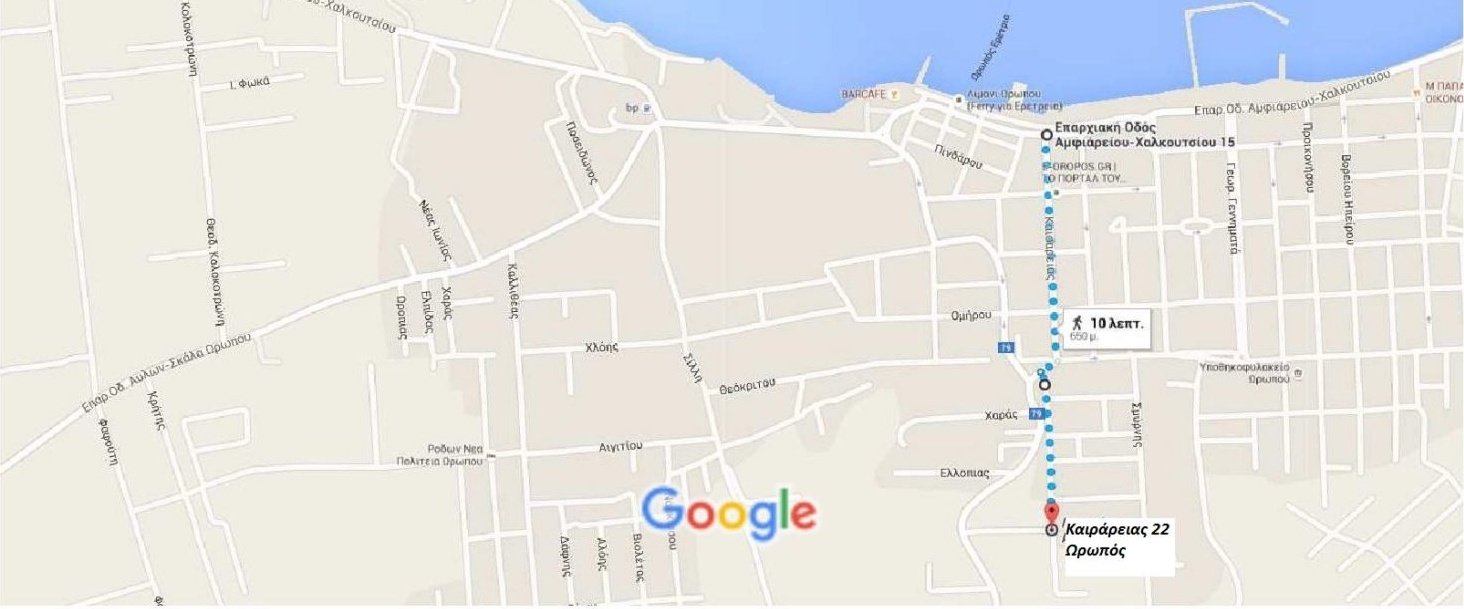
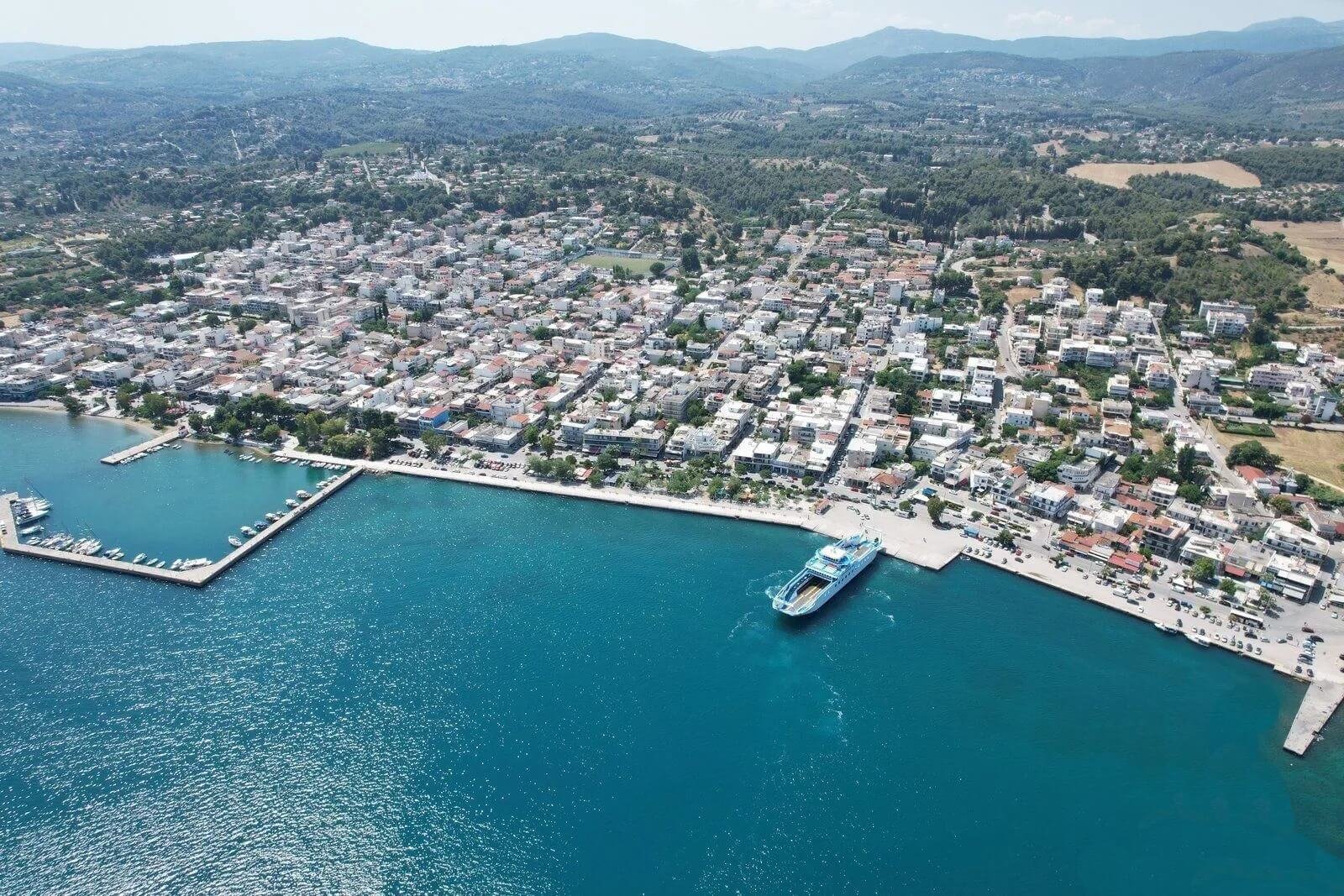
The prime location of the complex in Nea Palatia, Oropos, ensures easy and quick access to the sea and the picturesque port of Oropos. The distance from the sea is 650 meters, about a 10-minute walk as shown on the map below.
The Oropos Area
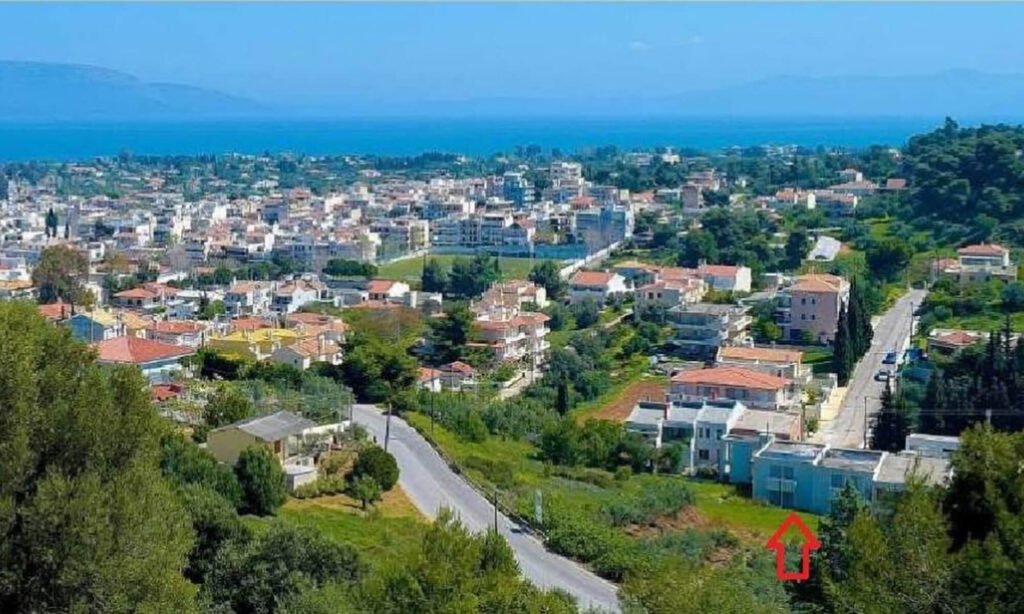
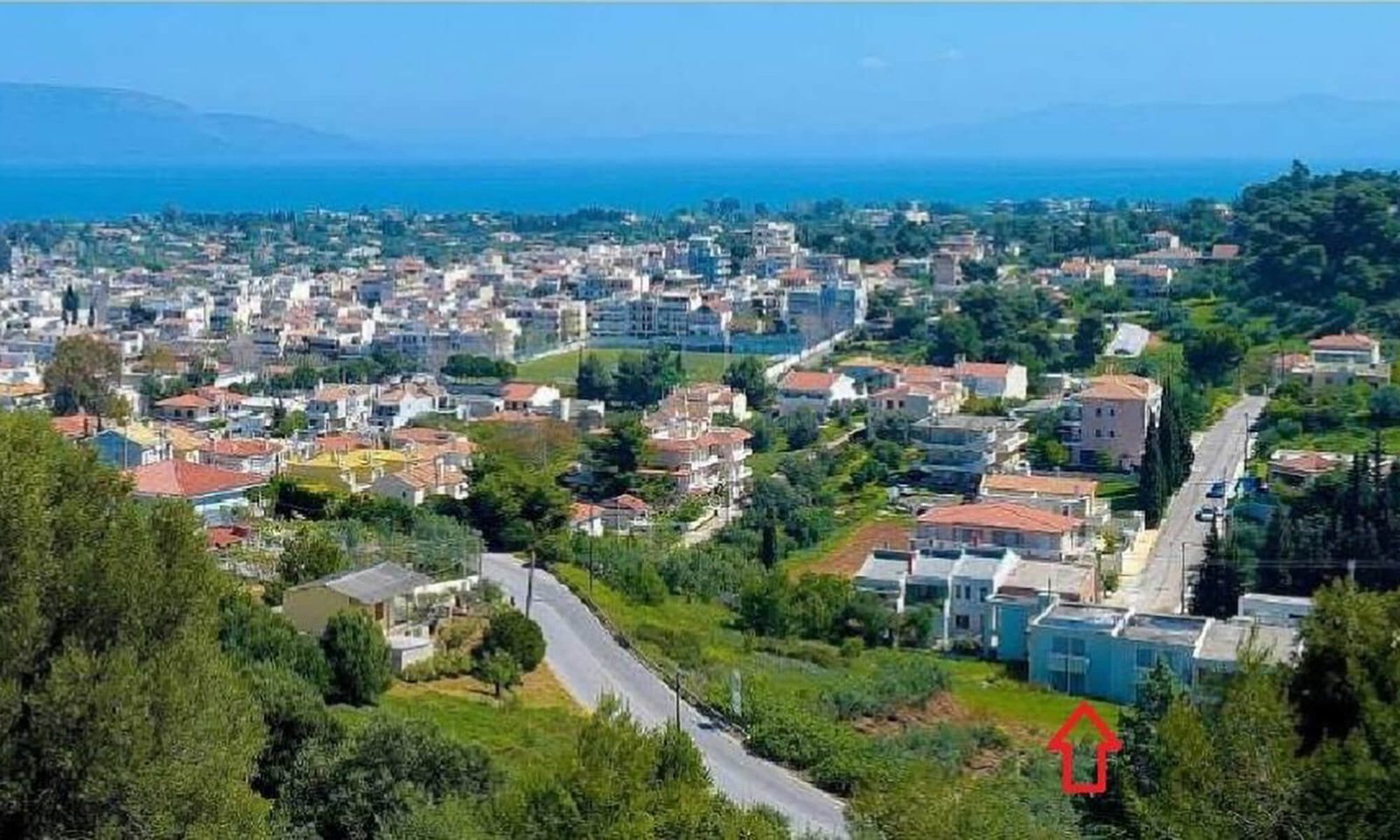
Oropos is one of Attica's favorite holiday destinations, well known for its prime location right across from the island of Evia. It is a lush green area featuring scenic walking trails and hills with views of the Euboean Gulf. It offers an ideal combination of natural beauty and a relaxed lifestyle. At the same time, it boasts a well-organized local market, beaches, and great options for food and coffee right by the sea. It also offers plenty of choices for cultural excursions, highlighted by the historic archaeological site of Amphiareion.
One of the biggest advantages of the location is its direct connection to Evia. Thanks to the regular ferry service operating from the port, you can easily and quickly cross over to the historic town of Eretria in Evia, enjoying day trips and exploring the wider area.
History and Culture
In ancient times, Oropos was called Graia and was an important agricultural power belonging to the city of Tanagra. Graia, located where Skala Oropou is today, lay on the border of the administrative territory of the Boeotians and the Athenians. It was always a source of conflict between them, as it was a crucial port controlling the southern Euboean Gulf. However, following a victorious campaign by the Athenians against the Boeotians, Oropos came under Athenian control, and several years later it gained its autonomy.
During the Byzantine period, it emerged once again as an important agricultural power, as its fertile lands favored cultivation. However, during the Ottoman rule, it was largely destroyed and turned into a supply base for the Turks. Today, it has evolved into a modern town and a popular holiday destination for residents of Attica and beyond.
One of the most interesting places to visit is the Amphiareion, located in a small valley southwest of Skala Oropou, in Mavrodilesi. It was the largest sanctuary in ancient Greece dedicated to the chthonic god and hero of Argos, Amphiaraos, and served as the national sanctuary of Oropos.
The Amphiareion was founded in the late 5th century BC and was built on the banks of a stream. On the left bank stood the official buildings—the temple, the altar, the stoa, and the theater—while the residential area was on the right bank. In this area, alongside offices, shops, and guesthouses, there was the market and the Klepsydra, a unique hydraulic clock. The temple, dating back to the 4th century BC, measured 38 by 14 meters and was built in the Doric order.
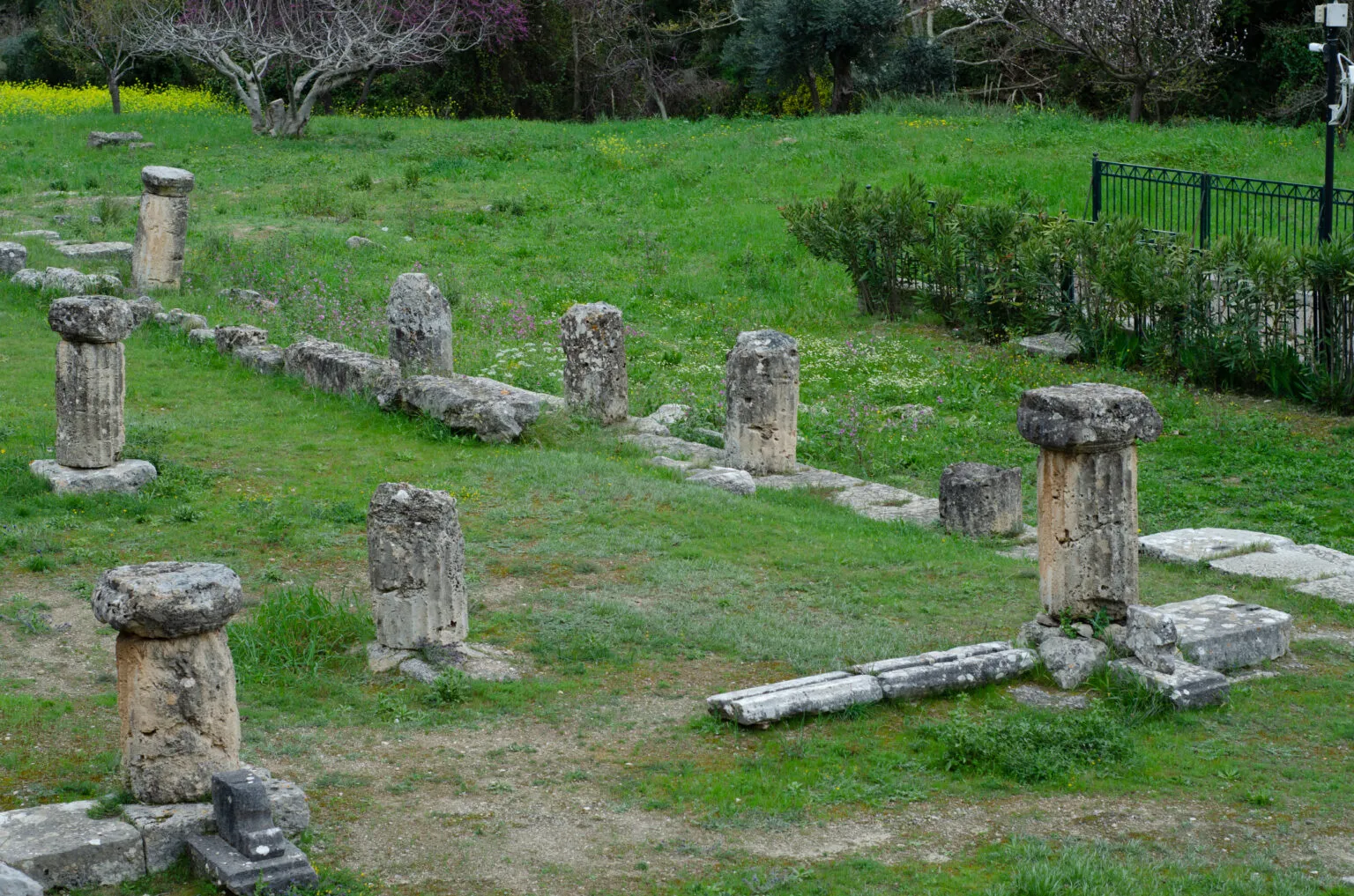
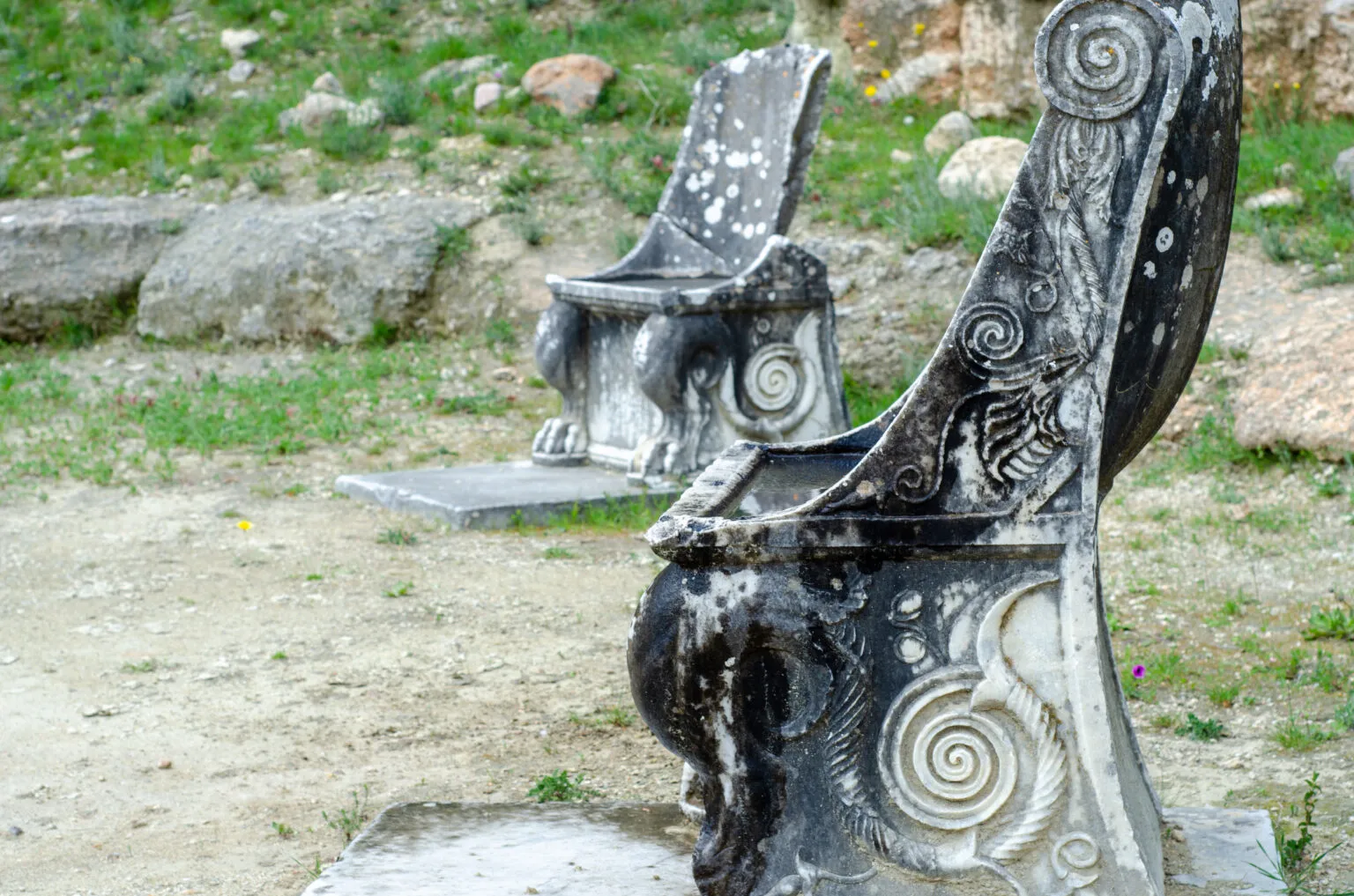
On the western side of the archaeological site are the sanctuary's baths, which in antiquity were so famous that they even overshadowed the fame of the sanctuary itself. To the west of the baths lie the ruins of the "great stoa of the sanctuary." The stoa is a 4th-century BC building measuring 110 meters in length. At its eastern and western ends, there were two rooms where those seeking an oracle from Amphiaraos would spend the night. Behind the "great stoa" is the theater, which dates back to the 2nd century BC. Around the edge of the orchestra stood five marble thrones dating to the 1st century BC, reserved for priests and special guests attending the theatrical performances. One of these thrones is preserved in good condition to this day. According to written accounts, the sanctuary also hosted games: the "Mikra Amphiareia" held every year, and the "Megala" held every five years, which included musical, athletic, and equestrian competitions that brought together athletes, scholars, and actors from all over Greece, Italy, and Asia Minor.
Nature and Ecology
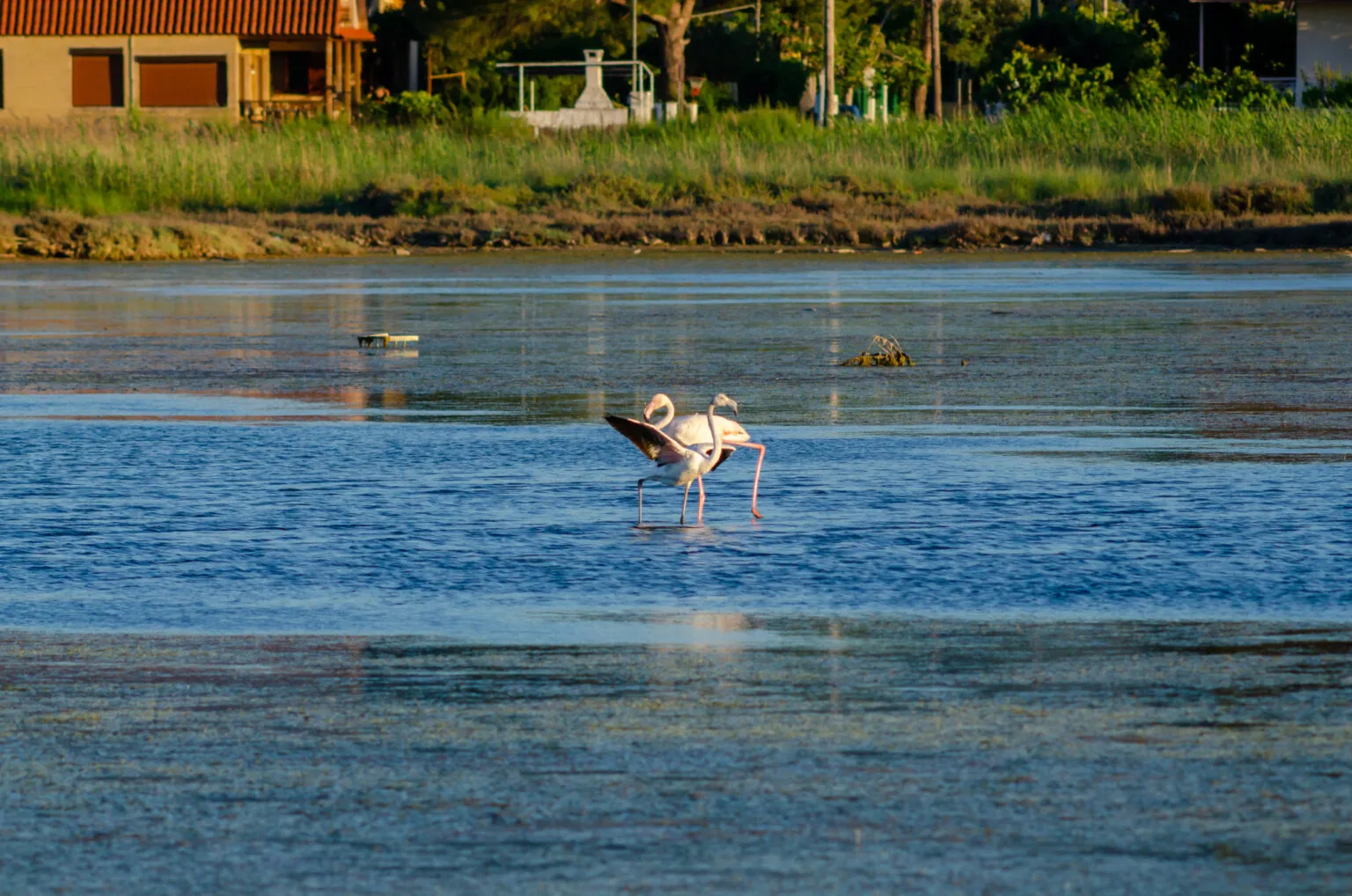
In Skala Oropou, very close to the port, there is a small wetland—a small lagoon separated from the southern Euboean Gulf by a narrow strip of sand that connects the two, making it an ideal spot for birdwatching. The wetland serves as a stopover for many migratory bird species as well as a sanctuary for resident ones. Over 100 bird species have been observed here, including wild ducks, little egrets, wild swans, and sometimes even cranes and flamingos, with many of them belonging to protected species. Just two kilometers away are the mouths of the Asopos River, whose delta and the small lagoon once formed a single, unified wetland many years ago.